What are the benefits from floor sanding and refinishing
The Benefits From Wood Floor Sanding And Refinishing
What is floor sanding and refinishing?
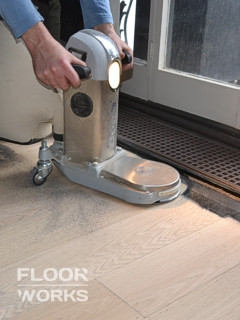
To put it shortly, wood floor sanding is the process of stripping the top surface of a floor back to bare timber. Refinishing is when that protective surface — oil, lacquer, or wax — is repaired or reapplied afterwards. We're not going to dwell on the mechanics of the process here; if you're reading this, you probably already have a rough idea how it works. What's more interesting is why to do it. Beyond the more aesthetically pleasing look, what's the actual, practical benefit? Let's be honest — sanding and refinishing isn't cheap, and it's a fair question to ask whether there's a genuine return on that cost, or whether it's easier to just throw a rug over the worn patches and move on.
Why is this entire process recommended?
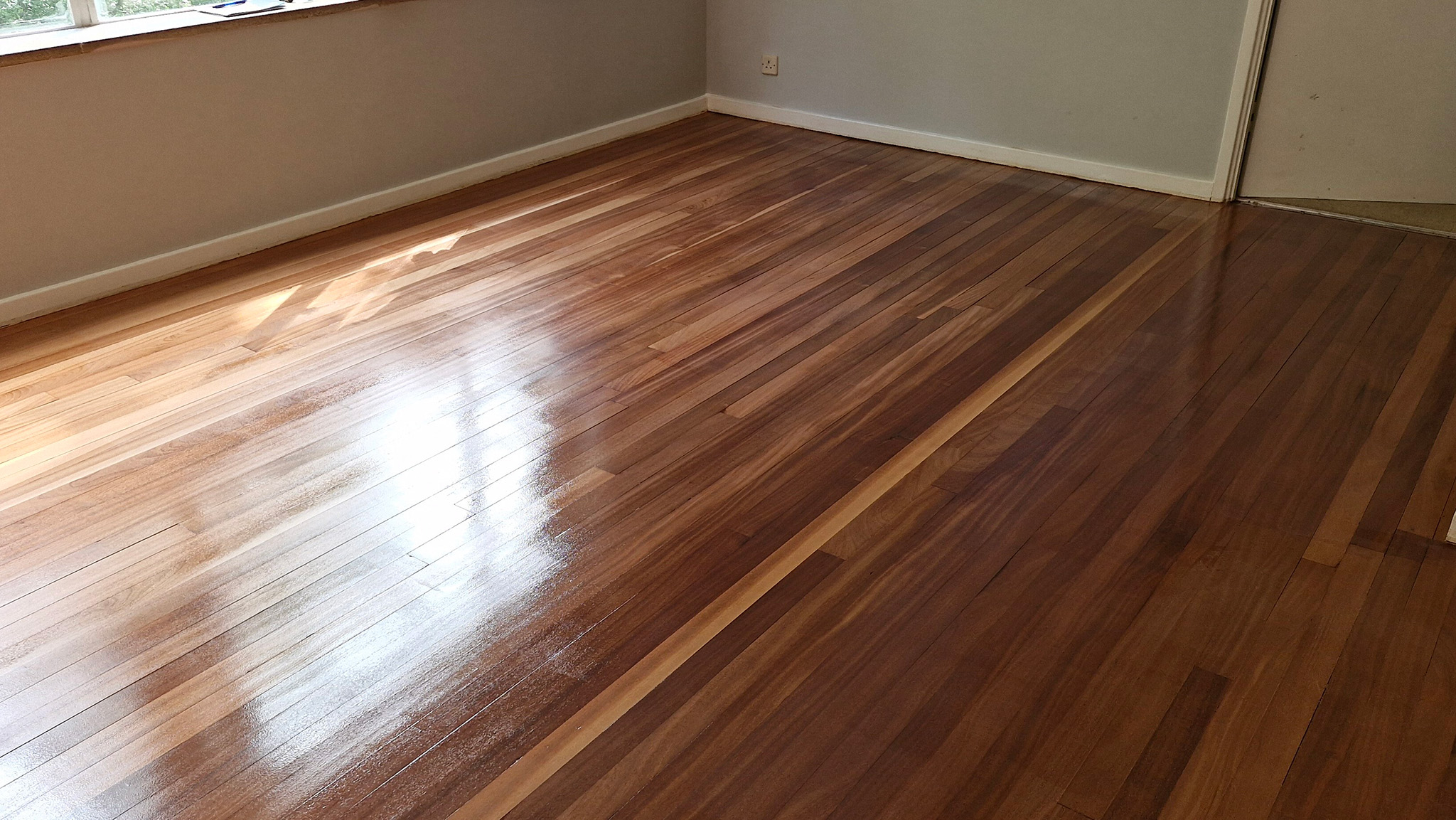
First, let's think about why people buy hardwood flooring in the first place. It's arguably the most expensive flooring option on the market. It's a natural product that suits almost any setting, it's comfortable underfoot, easy to clean, and brings a certain warmth into a room. People like hardwood, and that preference, combined with its higher price tag, is what makes it feel like a genuinely stylish investment in a home.
But the single biggest advantage of solid wood flooring — the one that actually justifies the price difference over time — is the ability to sand and refinish its surface. Buy a vinyl or laminate floor, and even a good-quality one will typically last a decade or two before it's showing its age beyond repair. After that, it's off to the skip, and you're buying and fitting a replacement from scratch.
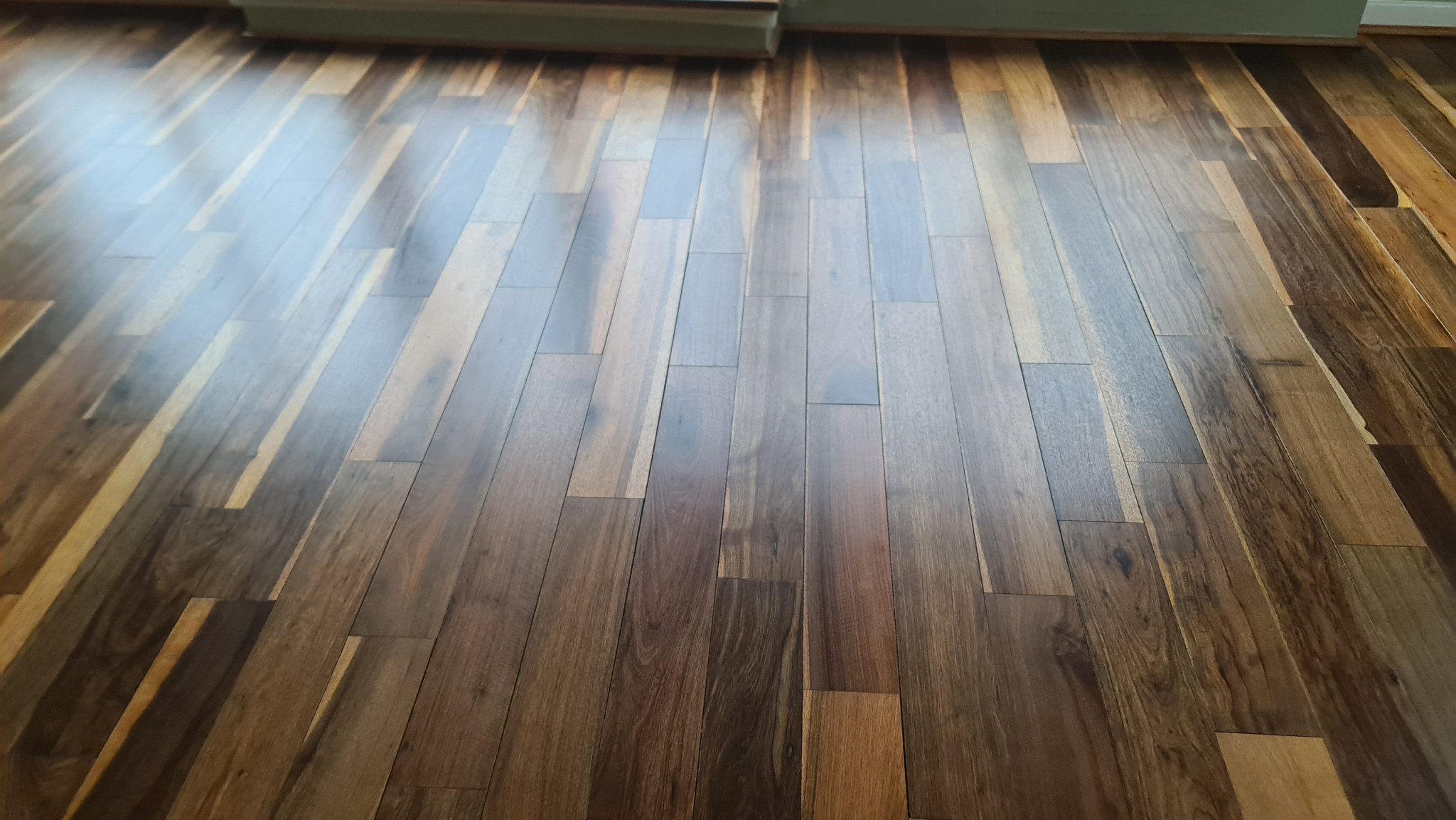
Hardwood is different. It can be sanded and refinished again and again — depending on the original thickness of the boards, the process can typically be repeated somewhere between four and ten times over the floor's lifetime. As a rough guide, a standard sanding pass removes somewhere in the region of 0.5–1mm of timber, so a solid board with, say, 6mm of wear layer above the tongue-and-groove joint has real headroom for multiple future refinishes, while a thin-wear-layer engineered board might only tolerate one or two light sands before you hit the plywood core. That's worth checking before you assume unlimited refinishing is on the table — not all "wood floors" are built the same underneath. There are genuine period floors still in use after 300 years of intermittent care, and a well-maintained modern solid floor can comfortably see out a century under the right conditions. Some factory-prefinished floors, protected with an aluminium oxide coating, carry warranties of up to 50 years on the factory finish itself — though once that wears through, sanding is still possible, just harder, since aluminium oxide is considerably more abrasive-resistant than a site-applied lacquer and needs coarser grits and more passes to cut through. Strip the old finish back, apply a good polyurethane or hardwax-oil in its place, and you've realistically added another decade or more of life to the floor for a fraction of the cost of replacing it.
It's this refinishing capability that makes hardwood flooring genuinely worth the investment. The added durability and the visual refresh are a real, measurable benefit — not just a marketing line.
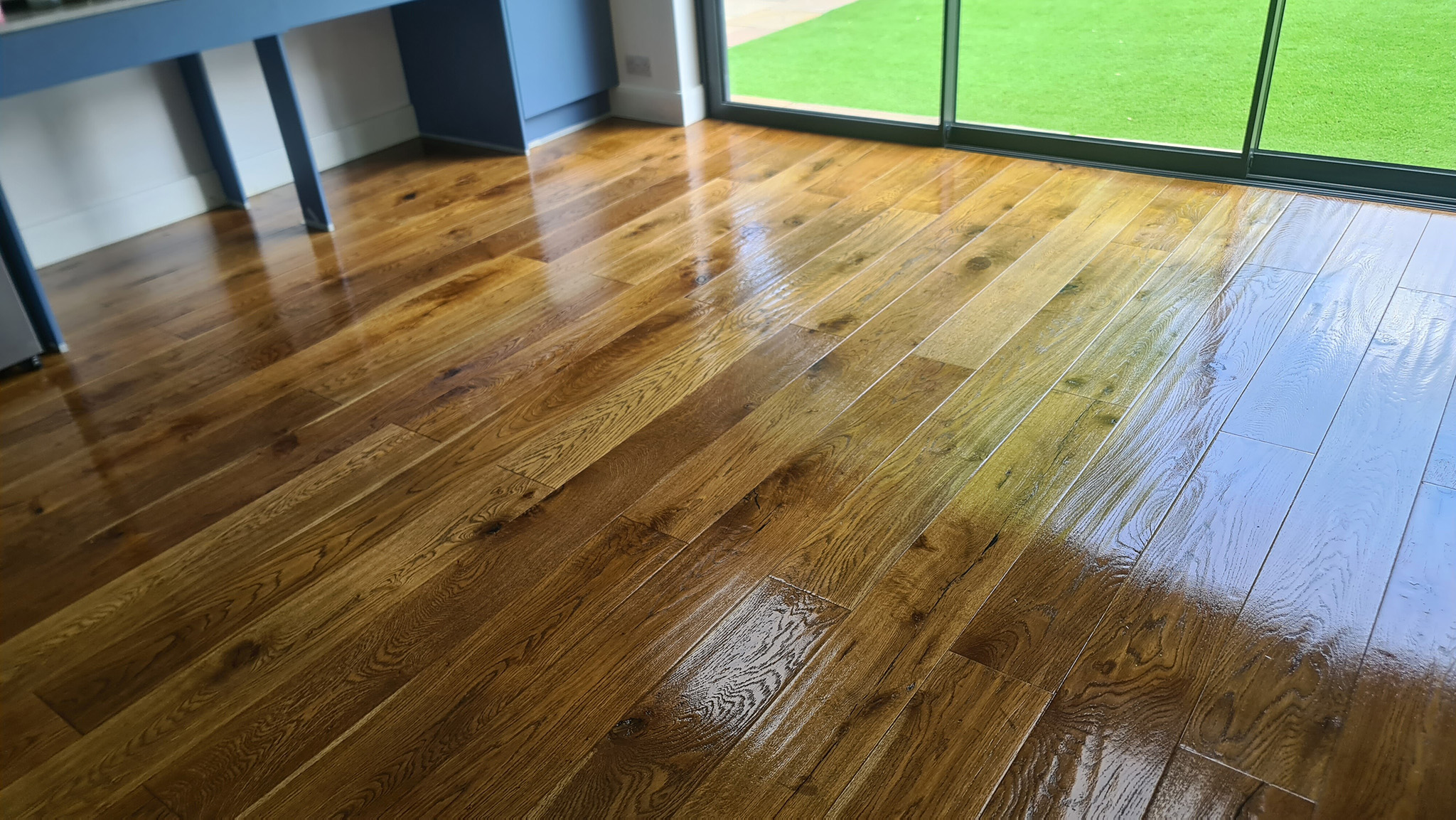
The real benefits of floor sanding
An ounce of prevention is worth a pound of cure.
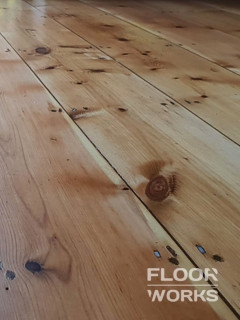
Not all damage is visible, and not every source of damage is obvious from a casual look. A floor can have small areas where the finish has worn through and moisture is starting to reach bare timber, or hairline movement between boards that isn't yet showing as a gap — problems that are invisible day to day but compound quietly underneath a rug or a piece of furniture. Sanding doesn't just remove existing scratches and stains; a proper inspection during the process catches these early-stage issues — soft or damp patches, loose boards, early cupping — before they turn into a much larger and more expensive repair. Catching a moisture issue at the sanding stage, for instance, is a straightforward fix; catching it two years later after it's spread under several boards is a very different job.
A smooth surface is a clean surface.
One often-overlooked benefit of sanding is how much easier it makes ongoing cleaning — on a material that's already popular partly for that exact trait. A worn finish develops microscopic scratches and dents that you can't always see, but that dust, grit, and dirt absolutely can find and settle into. A freshly sanded and resealed surface is smooth right down to the pores of the wood, which leaves nowhere for debris to lodge. In practice that means fewer visible footprint trails, less effort with a vacuum or mop, and a floor that looks clean for longer between cleans.
Allergies are a thing of the past.
Less dust build-up doesn't just mean an easier clean — it also means a meaningfully lower load of airborne allergens in the room, since dust and the debris trapped in a worn floor finish are a significant reservoir for household allergens to accumulate in. That's not achievable without proper maintenance, and sanding is a core part of resetting that maintenance cycle. Worth noting too: modern dustless sanding systems, which connect the sander directly to a vacuum extraction unit, capture the vast majority of sanding dust as it's produced, so the refinishing process itself doesn't leave the household breathing in a cloud of fine wood dust for days afterwards the way older equipment used to.
It pays to keep your wood floor in good condition.
Appearance matters, but what if you're not planning to stay — what if the plan is simply to sell up and move on? A hardwood floor in good condition genuinely does help a property sell faster, and for more money; estate agents consistently point to flooring condition as one of the first things viewers notice on walking through the door, precisely because it's such a large, hard-to-ignore surface in every room. A worn, dull, or visibly scratched floor has the opposite effect, quietly undermining a viewer's first impression of the whole property regardless of how good the rest of the house looks. If a sale is even a few years away, factoring a refinish into your maintenance plan ahead of time is worth far more than a last-minute scramble before photos go up.
All those pretty colours.
Customisation lets you shape everything around you, and flooring is no exception. People like to stain their floors to follow current trends — grey, dark ebony, white-washed, and so on. But those colours aren't permanent, and that's actually a feature, not a limitation: you can change them whenever you like, as long as your floor still has enough thickness left to be sanded back. Without sanding, there's no way to remove the old stain before applying a new one — the colour is essentially locked in for good. This is one of the more overlooked practical benefits of solid wood over other flooring types: your floor's colour scheme can evolve alongside your interior taste over decades, not just once at installation.
Would you rather change your floor entirely?
If your floor becomes worn and distressed, what are the actual options? Refinishing isn't free, but it's a fraction of the cost of a full replacement, once you factor in removing the old floor, disposal, and buying and fitting new materials. Cheaper alternatives that lack the option to be sanded — laminate, most vinyl, and thin-wear-layer engineered boards — typically need replacing roughly twice as often as a solid hardwood floor over the same span of years, and each replacement carries its own material cost, labour cost, and disruption to the household. Over a 30-year period, for example, a solid floor sanded and refinished three or four times will very often work out cheaper overall than buying and replacing a budget floor covering two or three separate times — before even accounting for the fact that a well-cared-for hardwood floor tends to add more to a property's resale value than a laminate one ever will. Why buy it once, replace it repeatedly, and pay for the privilege each time, when a single good investment can be refreshed instead?